Flat feet, also known as pes planus or fallen arches, are among the most common foot conditions we evaluate at our offices in Dallas and Plano, TX. They can range from a harmless variation in foot shape that never causes discomfort to a progressive structural problem that gradually affects the way a person walks, stands, and feels throughout the day.
Because the arch acts as a spring and shock absorber for the lower limb, a foot that has lost some or all its arch can affect more than just the foot. It may also impact the ankle, knee, hip, and lower back. Understanding which type of flat foot you have is the first step in determining whether treatment may be needed.
What Are Flat Feet?
A flat foot is one in which the arch along the inside of the foot is lower than average or is absent altogether when the person stands, so that most or all of the sole contacts the ground. The condition is generally described in two broad forms:
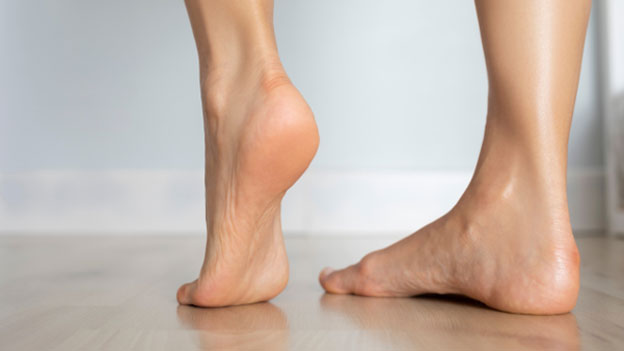
- Flexible flat feet: The arch is visible when the foot is not bearing weight, for example when sitting or standing on the toes, but flattens when the person stands. This is the most common form, and it is often painless.
- Rigid flat feet: The arch is absent whether or not the foot is bearing weight, and the joints of the foot may be stiff. This form is less common and is more likely to cause pain, so it deserves a closer evaluation.
-
What Causes Flat Feet?
In children, most flat feet are flexible and reflect the normal development of the arch, which continues to form through the early years of life. In adolescents and adults, flat feet may be present from childhood or may develop later, and the contributing factors include:
- Inherited foot structure, since arch shape tends to run in families
- Injury to the foot or ankle, including tendon injuries
- Dysfunction or gradual weakening of the posterior tibial tendon, the tendon that helps support the arch, which can lead to progressive collapse of the arch in adults
- Arthritis and other conditions that affect the joints of the foot
- Excess body weight, pregnancy, and the natural changes of aging, all of which add stress to the arch
- Certain neurological or connective tissue conditions
What Are the Symptoms?
Many people with flat feet have no symptoms at all and need no treatment. When symptoms are present, patients commonly describe:
- Aching or fatigue in the arch or heel, especially after long periods of standing or walking
- Pain or swelling along the inside of the ankle
- Shoes that wear down unevenly or on the inside edge
- Difficulty standing on the toes
- Pain in the knees, hips, or lower back that seems related to how the foot functions
- A foot that appears to be turning outward, or an arch that seems to be changing over time
How Are Flat FeetDiagnosed?
Diagnosis begins with a history of when symptoms started, and what makes them better or worse, followed by a physical examination in which the foot is observed while sitting, standing, walking, and rising onto the toes. Weight-bearing X-rays may be recommended to evaluate how the bones of the foot are aligned, and additional imaging may be used if a tendon problem or arthritis is suspected. Distinguishing a flexible flat foot from a rigid one, and identifying whether a tendon problem is present, directly affects the treatment plan.
How Are Flat Feet Treated?
If a flat foot is not causing symptoms, treatment is usually not necessary, and monitoring is often sufficient. When symptoms are present, treatment typically begins with conservative measures:
- Supportive footwear: Shoes with firm support, a stable heel, and adequate room for the foot
- Arch supports and custom orthotics: Devices that support the arch and help distribute pressure more evenly
- Stretching and strengthening: Exercises for the calf muscles and the muscles that support the arch
- Activity modification: Temporarily reducing high-impact activities that aggravate the pain
- Bracing or other supportive devices: Sometimes recommended when a tendon problem is involved
- Anti-inflammatory measures: Ice and appropriate medication to calm irritation
Surgery is considered when conservative care has not provided adequate relief or when there is a progressive deformity, and the specific procedure depends on the cause and severity of the flat foot.
Flat Feet in Children
Parents are often concerned when a child's arches appear flat, and in most cases a flexible flat foot in a child that is not painful requires no treatment. It is worth scheduling an evaluation if the child complains of foot or leg pain, tires easily, avoids activities that other children enjoy, walks awkwardly, or has a foot that is rigid or appears to be changing.
When to Seek Help
You should schedule an evaluation if flat feet are causing pain, ifyour arch seems to be changing or collapsing, if you have swelling along the inside of the ankle, or if footproblems are interfering with work or activity. Patients with diabetes or circulation problems should haveany change in the shape of the foot evaluated promptly.
Care for Every Step YouTake
Our team of doctors has been caring for the Dallas and Plano communities for more than 30 years. During that time, we’ve treated patients of all ages with flat feet, from toddlers to retirees. Compassionate, personalized care is here for every step you take. Schedule an appointment with Ashton Podiatry and let us determine whether your flat feet need attention.